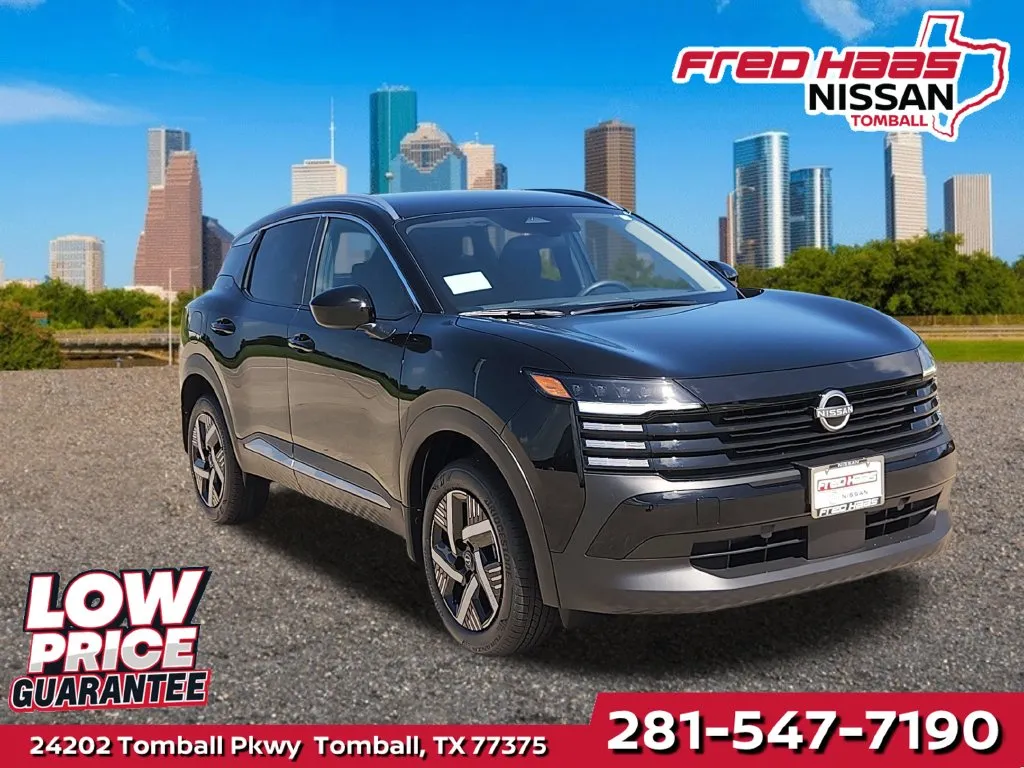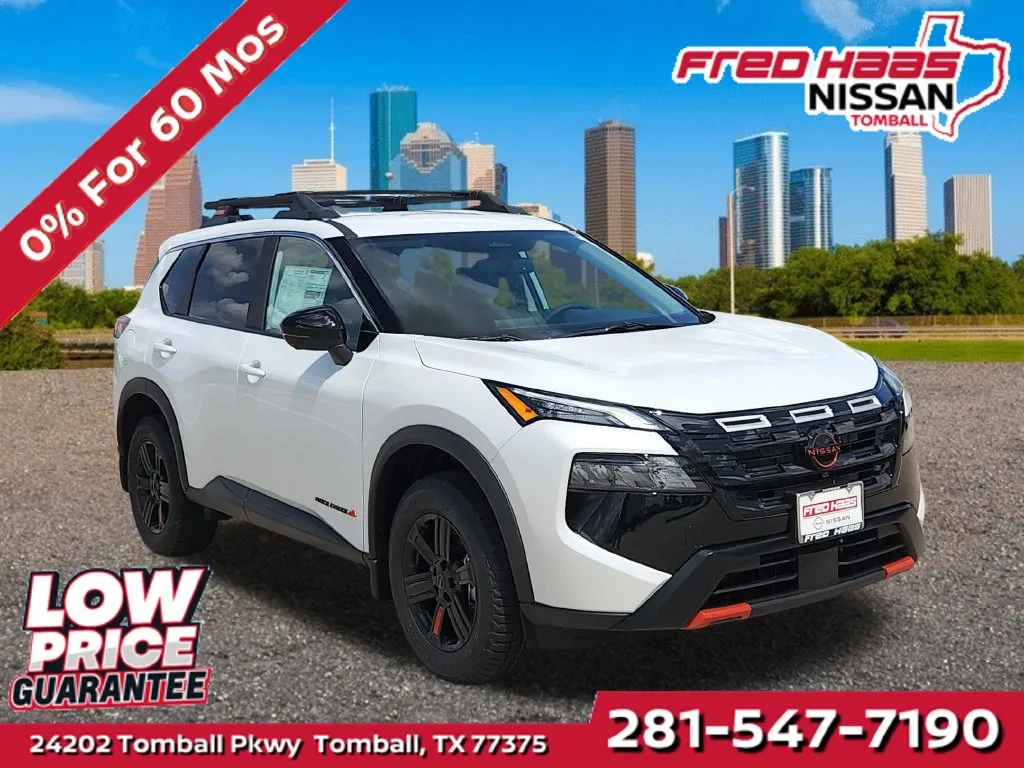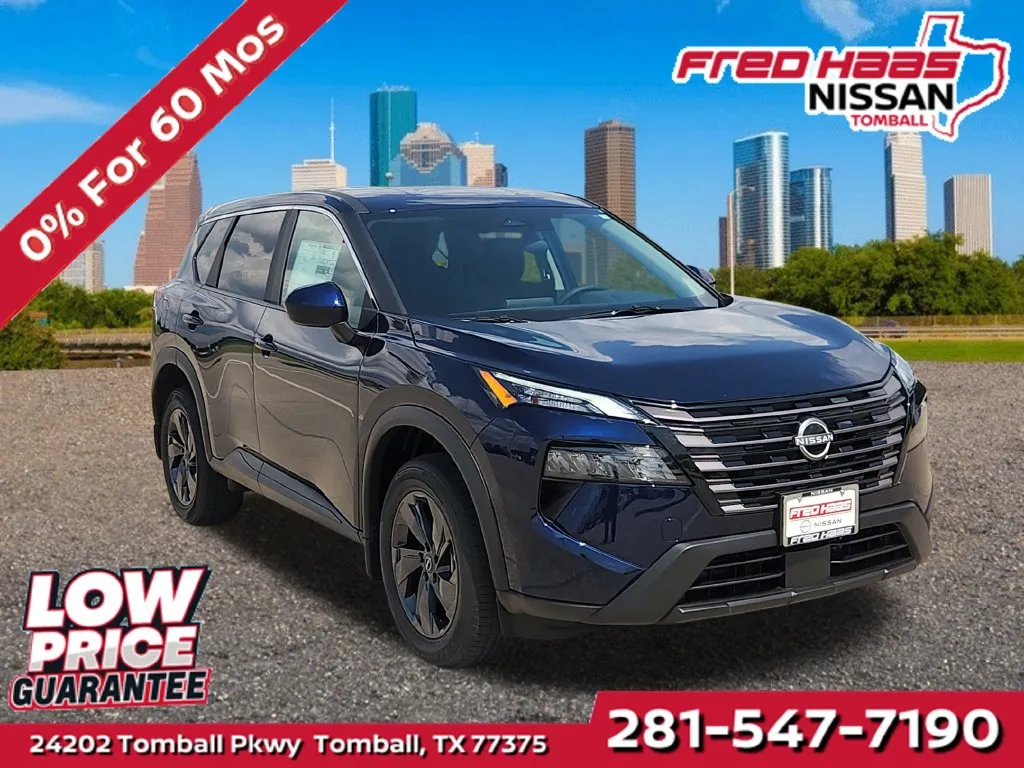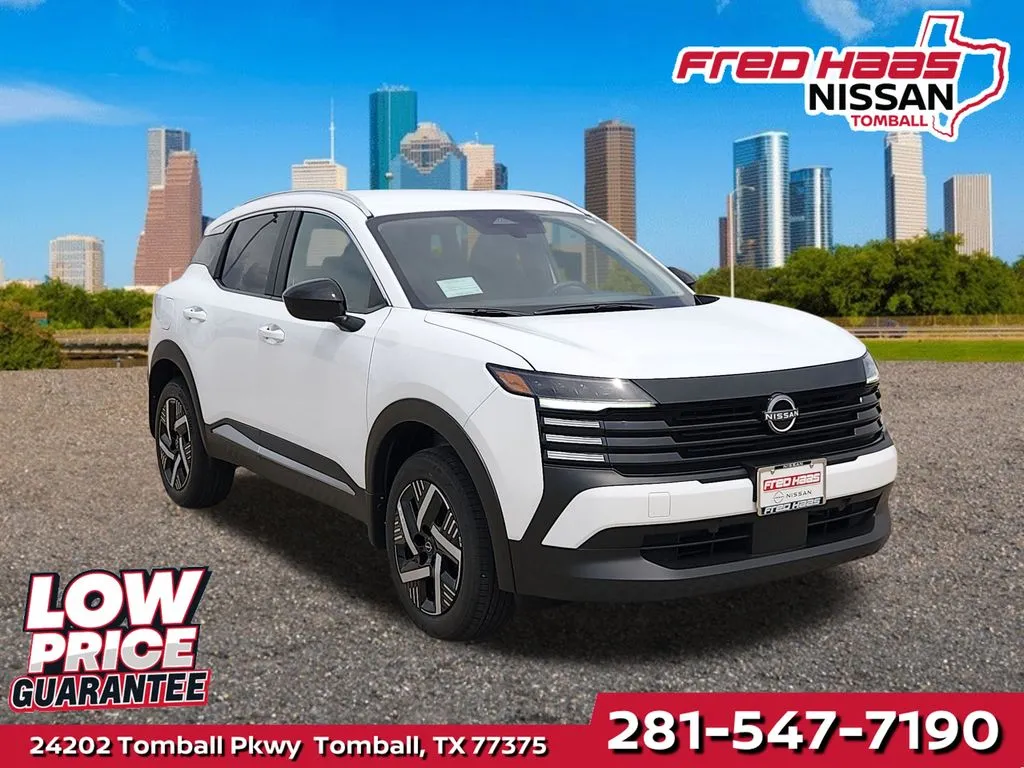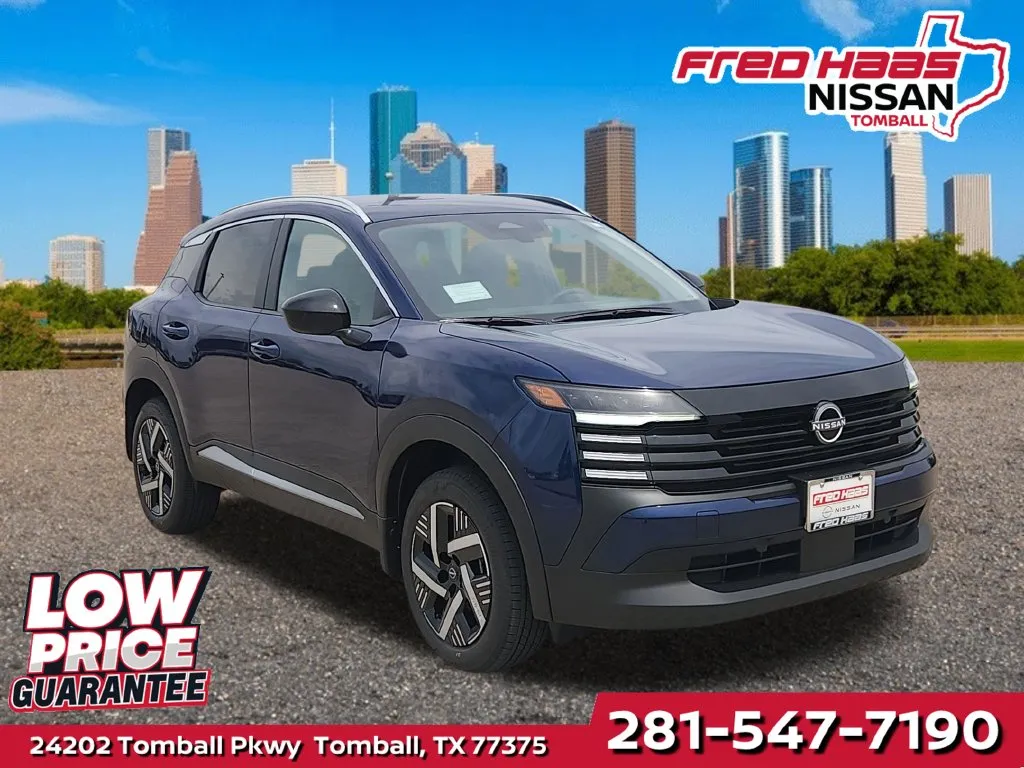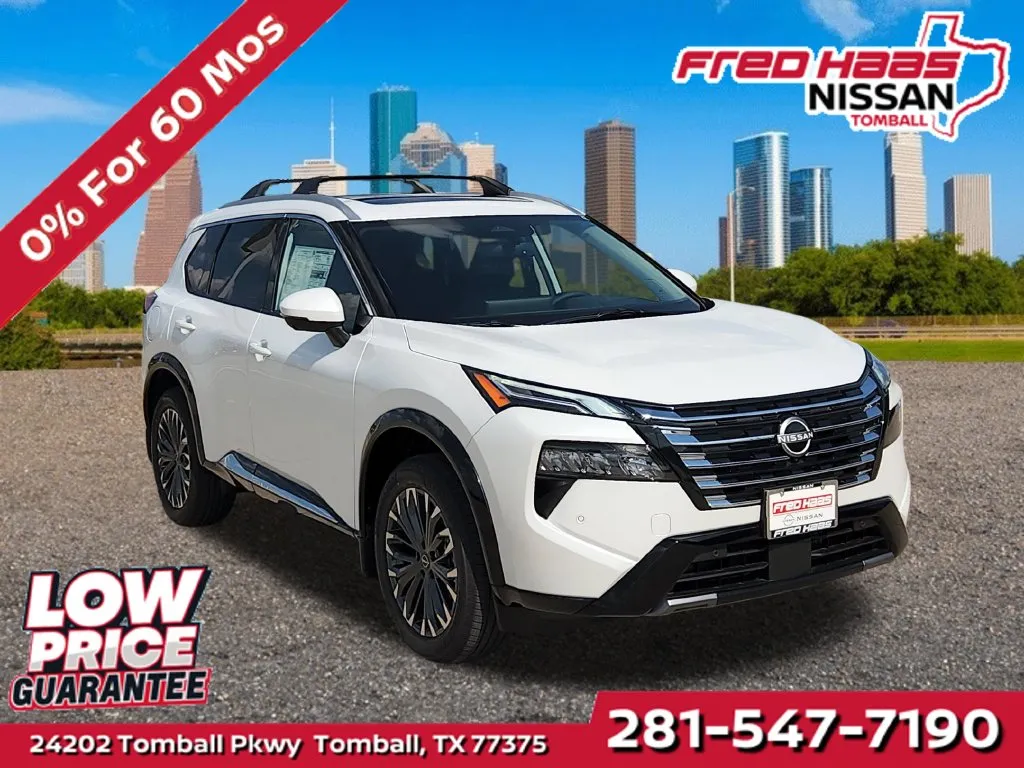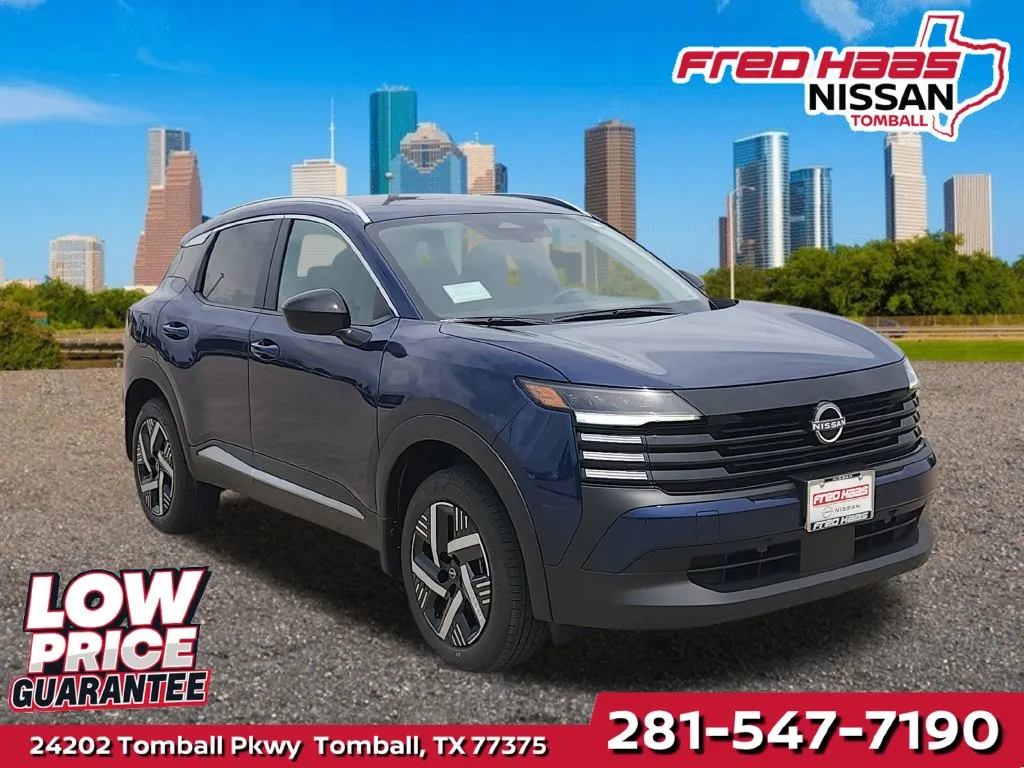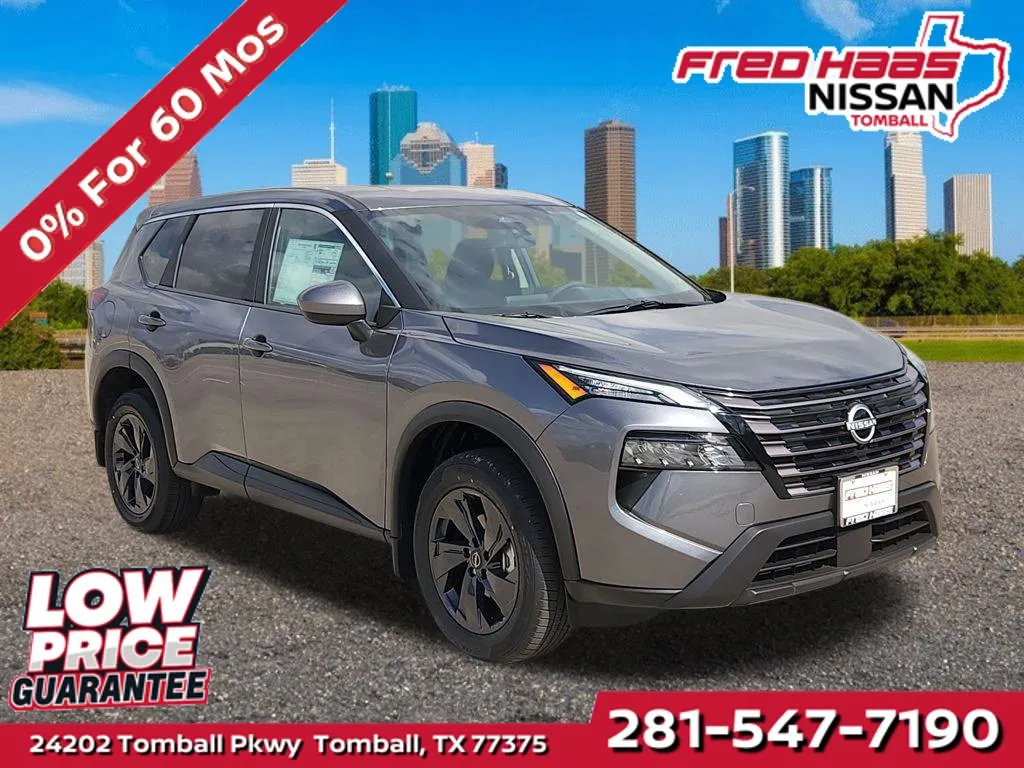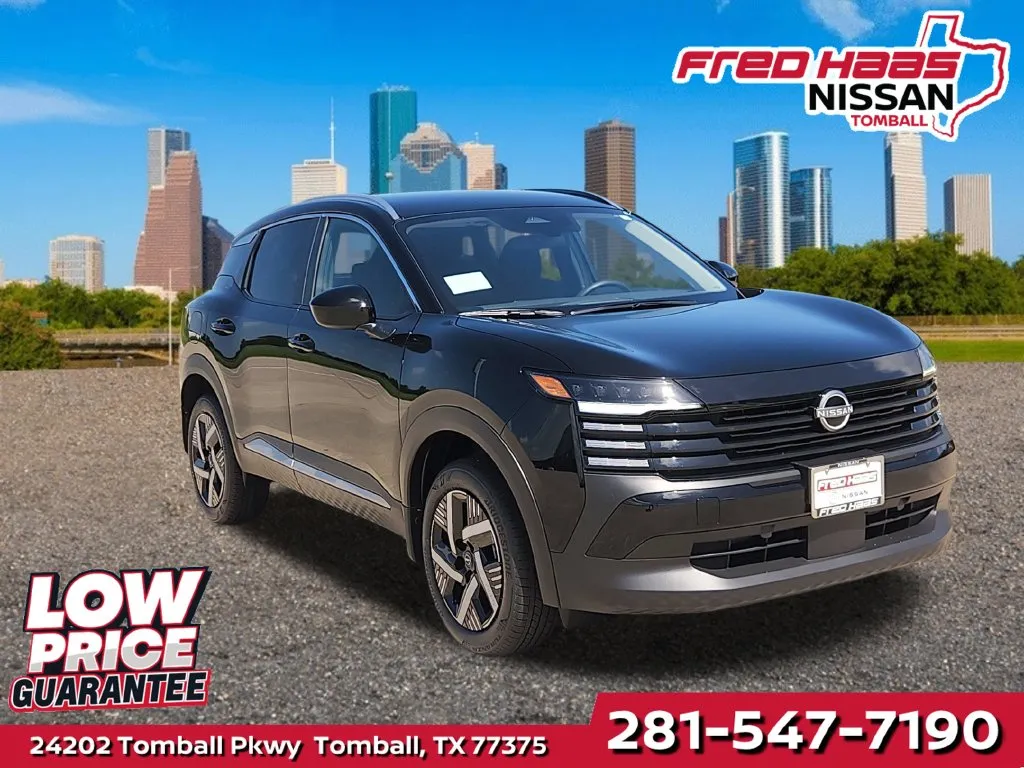
Does the 2026 Nissan Rogue or 2026 Toyota RAV4 have the better driver-assist tech for Houston, TX drivers?
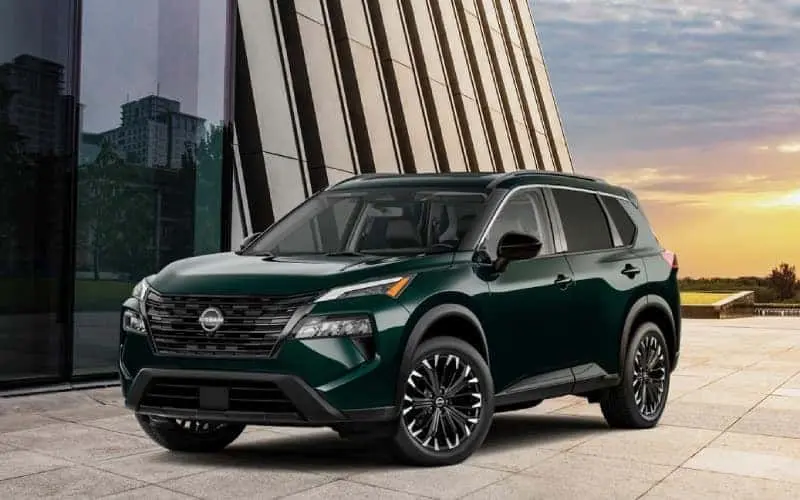
Fred Haas Nissan – Does the 2026 Nissan Rogue or 2026 Toyota RAV4 have the better driver-assist tech for Houston, TX drivers?
Driver assistance is a top question for compact SUV shoppers today, especially those who spend time on I-45 and the Hardy Toll Road. If you’re comparing the 2026 Nissan Rogue and the 2026 Toyota RAV4 with driver confidence in mind, you’re looking at two well-equipped models with different approaches. Both start with robust, standard safety suites — Nissan Safety Shield 360 and Toyota Safety Sense 4.0 (TSS 4.0) — yet their optional systems and in-cabin tech experiences diverge in meaningful ways. Here’s how to think through the comparison if you prize stress-free commuting, simple parking, and intuitive controls.
Core safety: Both cover the essentials
Every Rogue includes Automatic Emergency Braking with Pedestrian Detection, Blind Spot Warning, Rear Cross Traffic Alert, Lane Departure Warning, Rear Automatic Braking, and High Beam Assist. RAV4 also brings a strong roster via TSS 4.0. Where you’ll notice differences is in the camera and semi-automated assistance features you can add as you climb trims and packages.
Parking and low-speed maneuvering
Nissan offers an available 3D Enhanced Intelligent Around View Monitor that you can actively rotate, plus an innovative Invisible Hood View that shows a composite image of what’s directly beneath your front end. Those two features are standouts when you’re squeezing into a tight parallel space or protecting your wheels against tall curbs outside a favorite restaurant. Toyota counters with its own camera systems, but the Invisible Hood View is not currently offered on RAV4, and that extra visual confidence is precisely what many urban and suburban drivers want when parking in dense areas or under construction cones.
Highway support and congestion relief
Rogue’s available ProPILOT Assist delivers hands-on support by helping with steering, braking, and accelerating to maintain gaps and lane position. On select Rogue trims, you can go further with available ProPILOT Assist 2.1, which adds enhanced driver support on compatible roadways. RAV4 offers Traffic Jam Assist (subscription required) for low-speed, controlled-access highways; it’s helpful in crawling traffic, but it operates under more limited parameters. The practical takeaway: Nissan’s tiered approach lets you match assistance to your needs — from steady commuting to longer highway stretches with expanded features on properly equipped models.
In-cabin tech experience
Rogue elevates the user experience with available Google built-in. That means Google Maps, Google Assistant voice control, and compatible apps via Google Play are integrated directly into the vehicle — no phone required for those services. RAV4’s Toyota Audio Multimedia is advanced and responsive, with a larger available 12.9-inch screen and a customizable 12.3-inch gauge cluster, but it does not offer Google built-in. For many shoppers, native Google tools reduce learning curves and make voice commands more natural on day one.
Real-world advantages you’ll feel
Numbers and acronyms aside, the question is how these systems change your daily rhythm. The combination of a quiet Rogue cabin, Zero Gravity front seats, and confident, camera-aided maneuvering means you arrive more relaxed, whether that’s pulling into a busy lot or navigating evening traffic. Toyota’s systems are capable and familiar, but Nissan’s available Invisible Hood View and step-up path to ProPILOT Assist 2.1 create a unique edge for drivers who value help in the moments that cause the most tension — merging, lane centering, and curbside precision.
How to choose the right setup
Think about where you need the most help: low-speed parking, highway consistency, or city congestion. Then test the specific features that match your drive. If you want a simple path to robust assistance and the most parking-friendly camera views, Rogue has compelling answers — especially on upper trims with the Tech Package.
- Parking confidence: Rogue’s available Invisible Hood View helps you avoid curb rash and obstacles that ordinary front cameras miss.
- Highway support: Available ProPILOT Assist and optional ProPILOT Assist 2.1 provide scalable assistance on compatible roads.
- Everyday ease: Available Google built-in streamlines navigation and voice commands without fumbling for a phone.
Frequently Asked Questions:
Can ProPILOT Assist 2.1 drive the car for me?
No. ProPILOT Assist 2.1 is an advanced driver-assistance feature available on select Rogue trims that can provide enhanced support on compatible roadways. The driver must remain attentive and be ready to take control at all times.
Does RAV4 offer a similar invisible hood camera?
RAV4 offers advanced camera systems, but the specific Invisible Hood View feature available on Rogue is not offered on the 2026 RAV4 at this time.
Is Google built-in the same as Android Auto?
No. Android Auto connects your phone to the vehicle. Google built-in integrates Google services like Google Maps and Google Assistant directly into Rogue without requiring your phone for those functions. Rogue also offers wireless Android Auto and Apple CarPlay, so you can use your phone if you prefer.
Final thoughts
Both SUVs are safe, modern, and well-rounded. If your priority is a calmer commute and intuitive tech that reduces friction, the Nissan approach shines — particularly with available Invisible Hood View, Google built-in, and scalable ProPILOT Assist options. A focused drive-and-park demo will tell you more in five minutes than a spec sheet can in five pages.
Ready to see the features side by side? Schedule a tailored walkthrough with our team at Fred Haas Nissan, serving Houston, Spring, and Magnolia, and get hands-on with the driver aids that matter most to you.
Request more 2026 Nissan Rogue information